(1).png "PowerHome.com")
As the core equipment for converting hydropower into electrical energy, water turbine generators are widely used in hydropower stations, small hydroelectric systems, and distributed energy projects. Their operational status not only affects power generation efficiency but also directly impacts equipment lifespan and system safety. Any anomalies—such as unstable voltage, excessive vibration, abnormal temperature rise, or reduced output power—can lead to diminished power generation revenue if not promptly addressed. More severe consequences include forced shutdowns for repairs or even equipment damage. Therefore, mastering systematic troubleshooting methods is crucial for ensuring the long-term stable operation of hydroelectric generators. PowerHome.com will analyze common fault types, troubleshooting approaches, and real-world case studies to help users establish clear, actionable diagnostic logic.
Common Failure Types
Hydraulic generator failures broadly fall into three categories: mechanical failures, electrical failures, and operational environment-induced anomalies. Mechanical issues primarily include bearing wear, rotor imbalance, turbine blade damage, or coupling misalignment. Electrical failures involve winding insulation aging, excitation system abnormalities, loose wiring, or voltage regulator malfunctions. Environmental factors may stem from impurities clogging waterways, fluctuating water pressure, or degraded insulation due to prolonged high humidity.
During actual troubleshooting, adhere to the principle of “external before internal, simple before complex.” First, observe instrument readings and external phenomena—such as abnormal fluctuations in voltmeters or ammeters, unusual noises, or burning odors. Next, inspect water flow conditions and inlet pressure to confirm whether external hydraulic changes are the cause. Finally, proceed to internal unit components to examine windings, brushes, bearings, and the excitation system. This step-by-step elimination effectively narrows the fault scope, preventing unnecessary disassembly.
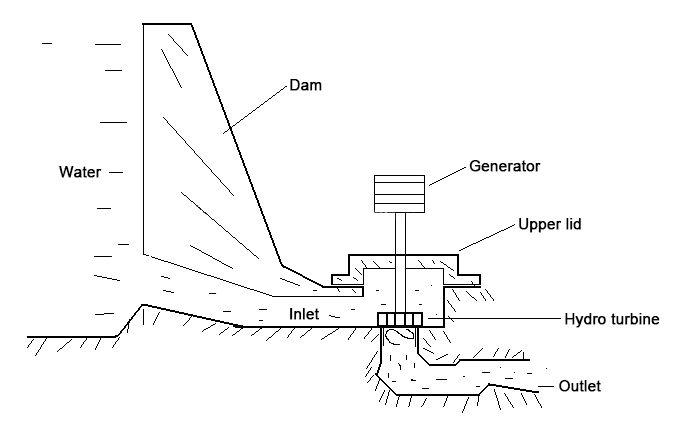
Voltage Instability Causing Frequent Trips
A small mountainous hydropower station experienced fluctuating output voltage after the rainy season, frequently triggering protective device trips. Initial diagnosis pointed to abnormal generator voltage regulation, but inspection revealed no obvious faults in the excitation system. Further investigation by technicians uncovered significant debris accumulation in the intake pipeline, causing fluctuations in turbine rotational speed. This instability directly affected generator output frequency and voltage, triggering protective actions.
The solution involved shutting down the unit to clean the intake filter screen and remove pipeline deposits, followed by recalibration of the flow control valve. After cleaning, the rotational speed stabilized, and the voltage fluctuations ceased. This case illustrates that electrical anomalies may not originate solely in the electrical system; changes in hydraulic conditions can significantly affect output. When troubleshooting voltage issues, attention should be paid to both mechanical and hydraulic systems.
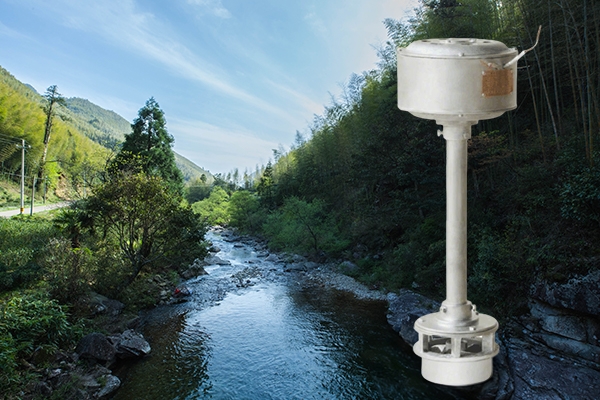
Hidden Hazards of Bearing Overheating and Abnormal Vibration
Bearings are critical components in hydroelectric generators that bear mechanical loads. Inadequate lubrication or installation deviations can cause elevated temperatures and increased vibration. This typically manifests as abnormal casing temperature rises accompanied by low-frequency noise after extended unit operation. At a small-scale coastal hydropower project, noticeable vibration was observed in a unit after six months of operation. Maintenance personnel initially suspected rotor imbalance, but inspections confirmed rotor deviation remained within acceptable limits.
Ultimately, bearing disassembly revealed that the lubricating grease had emulsified due to the humid environment, degrading its lubricating properties and intensifying rolling friction. Replacing the bearings and improving the seal structure eliminated the vibration. This case demonstrates that hydropower generators operating in high-humidity environments require regular checks of lubrication status and seal performance to prevent mechanical failures caused by environmental factors.
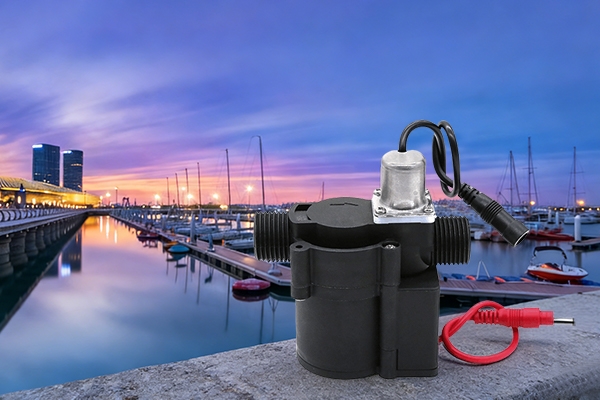
Winding Insulation Aging and Declining Insulation Resistance
The insulation performance of windings directly determines generator safety. Declining insulation resistance may lead to leakage or short-circuit risks. Common causes include prolonged high-temperature operation, moisture corrosion, or dust accumulation. During annual maintenance, a rural micro-hydro power station discovered insulation resistance significantly below standard values. Further inspection revealed inadequate ventilation in the machine room. Combined with prolonged high-load operation, this caused persistently elevated winding temperatures, accelerating insulation aging. Maintenance personnel dried the windings, improved the ventilation system, and adjusted load distribution to maintain operating temperatures within acceptable limits. Subsequent testing showed insulation resistance restored to safe levels. This case demonstrates that preventive maintenance is more critical than reactive repairs. Regular insulation resistance testing enables timely intervention before faults escalate.
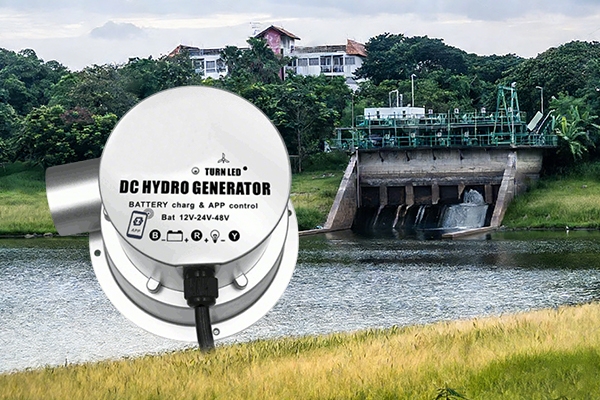
Comprehensive Analysis of Power Output Decline
When a hydroelectric generator's output power falls significantly below design specifications, multiple factors are often involved. These include reduced head, turbine blade wear, insufficient magnetic field strength, or load matching issues. At a distributed hydropower project in mountainous terrain, power generation declined by approximately 15% over several consecutive months. Investigation revealed severe turbine blade wear due to increased river sediment, leading to efficiency loss. Concurrently, the excitation current was slightly suboptimal. After blade replacement and excitation system recalibration, power generation efficiency returned to normal. This case underscores that output power issues are typically multifaceted, requiring analysis across hydraulic conditions, mechanical structure, and electrical systems—avoiding single-point thinking.
Systematic Troubleshooting Process
Based on this experience, a clear troubleshooting process can be summarized: First, verify normal external hydraulic conditions, including water level, pressure, and flow rate. Next, inspect rotational speed and mechanical vibration. Then, examine voltage, current, and the excitation system. Finally, conduct internal insulation and component checks. Throughout, record data changes and identify abnormal trends by comparing historical operational data. Additionally, establish a regular inspection system covering lubrication checks, fastener inspections, insulation resistance testing, and cooling system maintenance. Preventive maintenance significantly reduces the probability of sudden failures.
Troubleshooting hydroelectric generators is not a single-point repair but a systematic engineering task. From water source conditions to mechanical structure and electrical systems, every component can become a critical factor affecting operational stability. By following scientific troubleshooting procedures and accumulating experience from real-world cases, more efficient diagnostic capabilities can be developed, minimizing downtime and enhancing power generation efficiency.
As emphasized at the outset by PowerHome Shop, stable operation is the prerequisite for hydroelectric systems to deliver value. Only through rigorous and systematic thinking in daily maintenance and troubleshooting can hydroelectric generators ensure long-term, safe, and efficient operation in complex environments, maximizing energy utilization.
(1).png)


