(1).png "PowerHome.com")
Off Grid Inverter

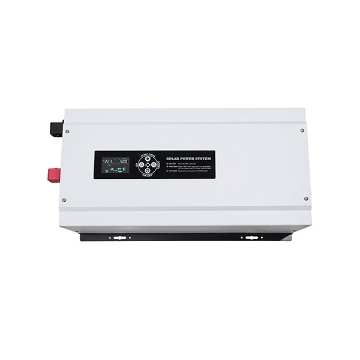
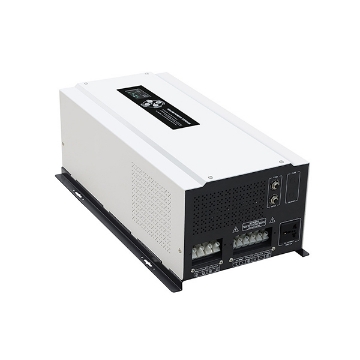

1kW Off Grid Inverter, 12V/24V
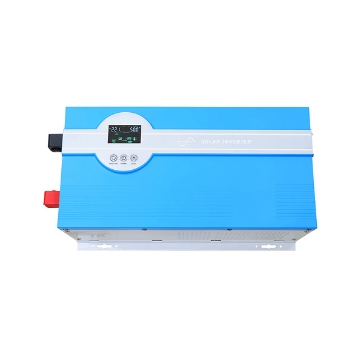

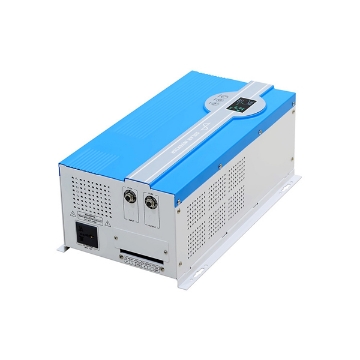

2kW Off Grid Solar Inverter

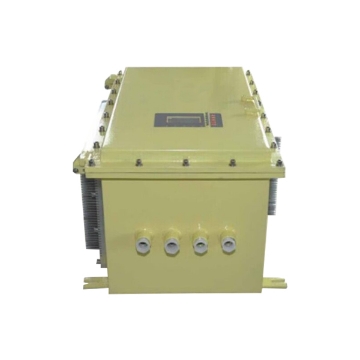
3kW Off Grid Inverter, Explosion Proof

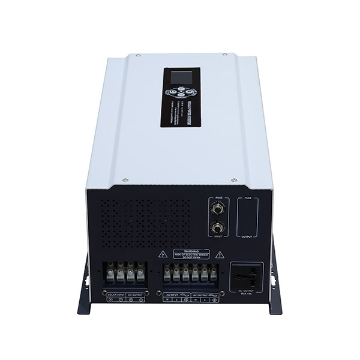
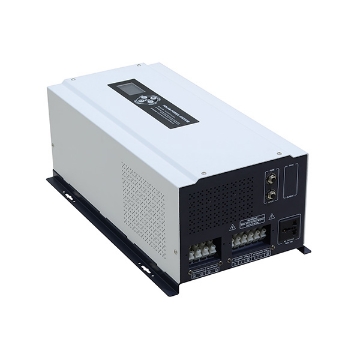

4kW Off Grid Inverter, 48V


5kW Off Grid Inverter, 48V

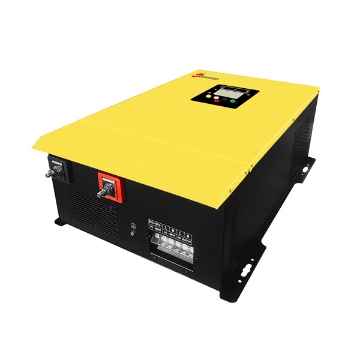
6kW Off Grid Solar Inverter, with 80A MPPT


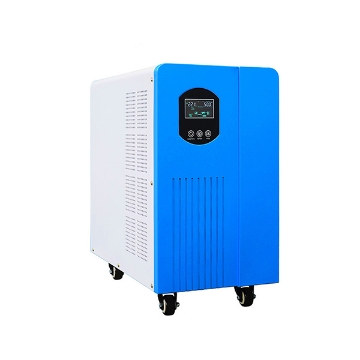

6kW Off Grid Solar Inverter, 48V/96V


8kw Off Grid Inverter, 48V

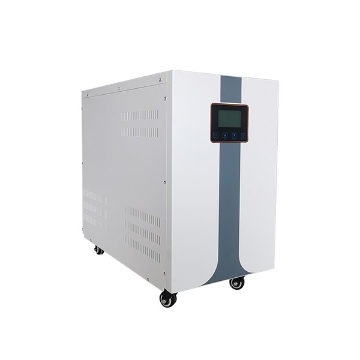
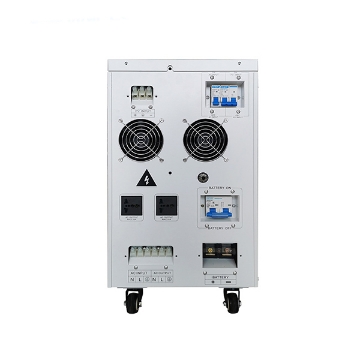


10kW Off Grid Solar Inverter


12kW Off Grid Solar Inverter, 220/230/240V Output


15kW Off Grid PV Inverter


20kW Off Grid Solar Inverter, 220V

1kW Off Grid Solar Inverter, Wall Mounted, 110/220V Output


1.2kW/3.6kW/6.5kW/12kW Pure Sine Wave Off Grid Inverter


3kW/5kW/10kW Split Phase Off Grid Solar Inverter
An off-grid inverter converts DC power from solar panels or batteries into AC power for homes, cabins, farms, RVs, workshops, and remote power systems that are not connected to the utility grid. They often work with batteries, solar charge controllers, and solar panels to provide reliable standalone power. PowerHome off-grid inverters are available from small 1kW backup models to high-power 20kW systems, supporting pure sine wave output, battery storage, solar charging, MPPT options, and multiple protection functions. They are suitable for users who need independent power, emergency backup electricity, or a complete off-grid solar energy solution.
Before Choosing an Off-Grid Inverter, Confirm These Factors:
| Factor | Why It Matters |
| Total load power | Determines rated inverter capacity |
| Surge power | Important for motors, pumps, refrigerators |
| Battery voltage | Must match inverter DC input |
| Output voltage | Should match local AC load requirements |
| Solar input range | Needed if inverter has MPPT charging |
| Battery type | Lead-acid, lithium, LiFePO4 compatibility |
| Installation environment | Indoor, outdoor, temperature, ventilation |
| Future expansion | Determines whether parallel support is needed |
Compare Off Grid Inverters
| Product | Key Specs | Best For |
| 1kW Off Grid Inverter | 1kW, 12V/24V battery, 110–240VAC output, optional PV charging | Small backup power, lighting, routers, small appliances |
| 2kW Off Grid Solar Inverter | 2kW, 48VDC battery, 110–240VAC output, 6000VA surge | Cabins, RVs, small home backup |
| 3kW Explosion Proof Off Grid Inverter | 3kW, 48V–750V DC input, 120–480VAC output, explosion-proof design | Mines, factories, hazardous industrial areas |
| 4kW Off Grid Inverter | 4kW, 48VDC battery, 110–240VAC output, 12000VA surge | Off-grid homes, pumps, motor loads |
| 5kW Off Grid Inverter | 5kW, 48VDC battery, 220VAC output, MPPT, RS232/RS485 | Home solar systems, battery storage |
| 6kW Off Grid Solar Inverter | 6kW, 48VDC battery, 230VAC output, built-in 80A MPPT | Home solar systems, small commercial solar |
| 6kW Off Grid Inverter | 6kW, 48V/96V battery, 110–240VAC output, 18000VA surge | Higher surge loads, pumps, off-grid homes |
| 8kW Off Grid Inverter | 8kW, 48V battery range, 220–240VAC output, MPPT, 1/2 PV inputs | Whole-home backup, farms, RV systems |
| 10kW Off Grid Solar Inverter | 10kW, 96VDC battery, 220VAC output, 20kW peak | Large homes, farms, solar/wind systems |
| 12kW Off Grid Solar Inverter | 12kW, high-voltage battery, three-phase 400V output, dual MPPT | Three-phase solar systems, remote sites |
| 15kW Off Grid PV Inverter | 15kW, 192V battery, 110/220VAC output, touch screen | Commercial sites, farms, schools, mining areas |
| 20kW Off Grid Solar Inverter | 20kW, 192VDC battery, 220VAC output, built-in 100A MPPT | Large off-grid projects, power stations, whole-house supply |
Choosing Tip:
For basic backup power, choose 1kW–2kW. For cabins, RVs, and small off-grid systems, choose 2kW–5kW. For home solar systems, 5kW–10kW is usually more suitable. For farms, workshops, remote sites, or large off-grid projects, consider 10kW–20kW. For pumps, compressors, and motor loads, choose a model with higher surge capacity.
Difference Between Off-Grid Inverters and Grid-Tied Inverters
A grid-tied inverter and an off-grid inverter both convert DC power from solar panels into AC power for electrical loads. The main difference is how they manage electricity. A grid-tied inverter sends solar power directly to the utility grid, while an off-grid inverter stores solar energy in batteries and supplies power independently without relying on the public grid.
For users building a solar power system, choosing between these two inverter types depends on whether the system needs grid connection, battery backup, or independent power supply.
What Is an Off-Grid Inverter?
An off-grid inverter converts DC power from batteries into AC power for homes, cabins, farms, remote sites, and standalone solar systems. Unlike grid-tied inverters, off-grid inverters do not depend on the public power grid.
In an off-grid solar system, solar panels first charge the battery through a solar charge controller or built-in MPPT controller. The battery stores the energy, and the off-grid inverter converts the stored DC power into AC power for appliances, tools, lighting, pumps, and other electrical equipment.
Off-grid inverters are suitable for areas without reliable grid access, such as remote cabins, farms, islands, mountain areas, desert regions, construction sites, and emergency backup systems. They are also useful for users who want energy independence or backup power during grid outages.
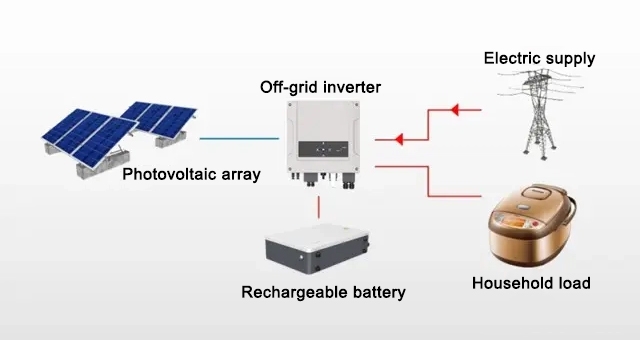
Complete Off-Grid Solar Power System Includes:
- Solar Panels: Generate DC power from sunlight
- Solar Charge Controller / MPPT: Regulate solar charging
- Battery Bank: Store electricity for night or backup use
- Off-Grid Inverter: Convert DC battery power to AC power
- Protection Devices: Improve safety and system stability
- AC Loads: Home appliances, pumps, tools, lighting
What Is a Grid-Tied Inverter?
A grid-tied inverter, also called an on-grid inverter, converts the DC electricity generated by solar panels into AC electricity that can be used by the home or exported to the public utility grid. It is commonly used in residential solar systems, commercial solar systems, and large photovoltaic power stations.
The key feature of a grid-tied inverter is that it works together with the power grid. When solar power generation is higher than the load demand, excess electricity may be sent to the grid. When solar power is insufficient, electricity can be supplied by the grid. Because most grid-tied systems do not require batteries, they usually have a lower system cost and higher operating efficiency.
However, a grid-tied inverter must comply with local grid regulations, utility connection standards, and safety requirements. In many areas, approval from the local utility company is required before the system can be connected to the grid.
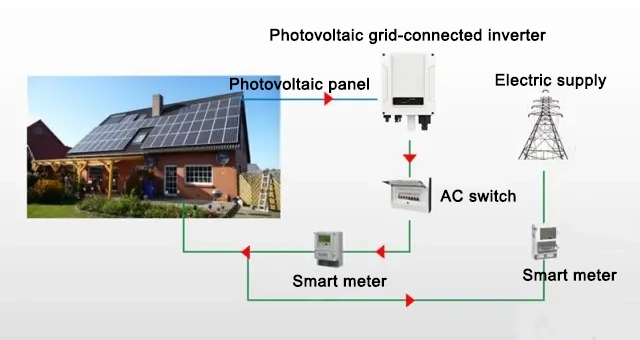
Off Grid Inverter vs Hybrid Inverter vs Grid Tie Inverter
| Type | Grid Connection | Battery Support | Best For |
| Off-Grid Inverter | No grid required | Usually required | Remote homes, cabins, farms |
| Grid-Tie Inverter | Must connect to grid | Usually no battery | Solar power export to utility grid |
| Hybrid Inverter | Grid + battery + solar | Yes | Home backup and solar storage systems |
(1).png)
Strong Power Supply, Smart Power Solutions.


