(1).png "PowerHome.com")
If you are planning to use a wind turbine for home, cabin, farm, or off-grid power, choosing the right model is more than comparing wattage. You need to consider local wind speed, installation space, turbine type, battery storage, controller compatibility, noise, safety, and real household power demand. This wind turbine buying guide explains how to choose a suitable home wind turbine for residential, off-grid, and small renewable energy systems. If you want to choose a suitable specific wind turbine model, please visit PowerHome Wind Turbine, where you can find detailed wind turbine models suitable for home use.
How to Choose a Wind Turbine for Home
When choosing a wind turbine for home use, do not only look at the rated power. A suitable home wind turbine should match your local wind speed, installation space, battery storage system, controller, inverter, and household power demand. For small backup power, a 100W to 500W wind turbine may be enough for lights, routers, cameras, and small devices. For cabins, rural homes, or off-grid houses, a 1kW to 3kW wind turbine is more suitable. For farms, remote properties, or larger off-grid systems, 3kW to 5kW models may be considered.
A complete residential wind power system usually includes a wind turbine, tower or mounting bracket, wind turbine controller, battery bank, inverter, cables, and protection devices. If your home already uses solar panels, a wind turbine can also be added to build a wind-solar hybrid system, helping generate power during cloudy, windy, or nighttime conditions.
Wind Turbine Quick Selection Guide
|
Application |
Recommended Power |
Suitable Type |
|
Small home backup |
100W–500W |
Small horizontal or vertical wind turbine |
|
Cabin / RV / remote house |
300W–1kW |
Vertical or horizontal axis wind turbine |
|
Residential off-grid system |
1kW–3kW |
Wind turbine with battery storage and controller |
|
Farm / rural property |
2kW–5kW |
High-power horizontal or vertical wind turbine |
|
Wind-solar hybrid system |
500W–3kW |
Wind turbine + solar panels + battery bank |
Wind Turbine Type Selection
There are two main types of household wind turbines: vertical axis wind turbines and horizontal axis wind turbines. Horizontal Wind Turbines vs. Vertical Axis Wind Turbines provides more information about the similarities and differences between the two types of generators.
Vertical Axis Wind Turbines: Smaller in size and lower in noise, suitable for installation in urban residential areas. However, their power generation efficiency is relatively low and they are suitable for areas with weak wind resources. The design of vertical-axis wind turbines makes them more sensitive to changes in wind direction and able to maintain high efficiency under variable wind conditions.
Horizontal Axis Wind Turbines: Higher power generation efficiency, suitable for areas with richer wind resources. However, the volume is larger and the noise is relatively high, which may have an impact on the surrounding residents' lives. Horizontal axis wind turbines are the most common type on the market today, and they are capable of generating more power at higher wind speeds.
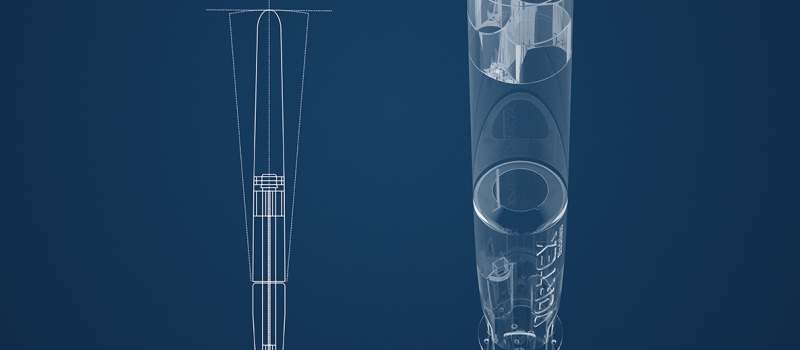
In addition to the two traditional wind turbines mentioned above, there is also a type of bladeless wind turbine. They are based on magnetic levitation or ionized wind technology and do not use visible rotating blades, reducing noise and mechanical wear and tear, which are problems with bladed wind turbines.
Key Points for Selecting Wind Turbines
Power Requirements
According to the household electricity needs, choose the appropriate power of the wind turbine generator, the rated power of the purchased generator should be slightly greater than the total power of the electrical appliances used in the household, to ensure that all kinds of electrical appliances can work properly. In general, the power of home wind turbines ranges from 400 watts to 10 kilowatts. For example, an average household may need a 1 kW to 3 kW wind turbine to meet its daily electricity needs.
What Size Wind Turbine Do I Need?
|
Power Range |
Typical Use |
Suitable Scenario |
|
100W–500W |
LED lights, phone charging, router, cameras, small devices |
Small home backup, cabin, camping, garden power |
|
500W–1kW |
Battery charging, small appliances, outdoor power |
Home wind power system, RV, remote cabin |
|
1kW–3kW |
Larger battery bank, off-grid loads, household backup |
Residential off-grid home, rural house, farm house |
|
3kW–5kW |
Higher power demand and larger energy storage |
Farm, commercial site, remote property, large off-grid system |
Wind Resources
Before purchasing a wind turbine, it is important to understand the wind resources in your area. You can obtain relevant information by reviewing local meteorological data or consulting with experts. For example, understand the local average annual wind speed, wind distribution and seasonal wind changes, etc. This information is critical to selecting the right wind turbine.
For areas with low average annual wind speed and wind force of 2 (wind speed of 2.5 m/s) or more, small permanent magnet wind turbines can be used. In areas with high average annual wind speed and wind force of 4-5 levels (wind speed of 6-8 meters/second) or more, an excitation-type wind turbine can be used. If you mainly rely on wind power for home power supply, you also need to choose the right battery according to the length of the windless period. Short windless period of the region, you can buy small capacity batteries; long windless period of the region, you can buy large capacity batteries.
For home wind turbine projects, local wind speed is one of the most important factors. A small wind turbine usually performs better in open areas with stable wind, such as rural homes, farms, coastal areas, mountain areas, and remote properties. If the installation site is surrounded by tall buildings, trees, or walls, the actual power output may be much lower than the rated power.
Wind Speed and Application Reference
|
Wind Condition |
Recommended Use |
|
Low or unstable wind |
Small vertical axis wind turbine or wind-solar hybrid system |
|
Moderate wind |
Home wind turbine for battery charging and backup power |
|
Strong and stable wind |
Horizontal axis wind turbine for residential or farm power systems |
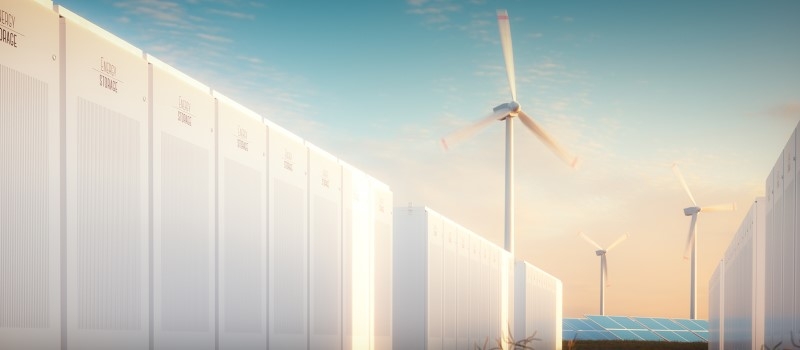
For residential wind turbine installation, an open and elevated location is usually better than a low or blocked area. Although some users consider roof installation, roof-mounted wind turbines may face vibration, noise, turbulence, and structural limitations. For better performance and safety, many home wind turbines are installed on a tower, pole, yard, farm area, or open land away from major obstructions.
Installation Site
Consider the installation conditions of your own home, such as roof area and shading from surrounding buildings. Also, make sure the siting complies with local codes and regulations. For example, some regions may have specific requirements regarding the height of the wind turbine, distance from buildings, and other obstructions.
Safety
When choosing a wind turbine, it is also necessary to pay attention to the quality and safety of the equipment to prevent its fan blades from flying out or falling off in high winds. On the one hand, you should buy equipment with reliable quality, superior quality and craftsmanship, and minimize the number of purchases; on the other hand, you should also pay attention to matching the characteristics of the equipment with the local meteorological characteristics, so as to avoid safety accidents caused by improper selection. You can add the purchase of intelligent wind turbine controller with braking and dumping function to prevent safety accidents.
Cost & Maintenance
Wind turbine cost is not only the product price. Buyers should also consider tower installation, controller, battery storage, inverter, wiring, maintenance, and possible permit requirements. A lower-priced wind turbine may not always be the best choice if it does not match local wind conditions or household power demand. For long-term use, choose a reliable wind turbine with suitable rated power, durable blades, safety protection, and available after-sales support.
For example, some brands may offer warranty period up to several years, as well as convenient repair services. PowerHome online store provides perfect after-sales service, welcome your purchase.
What Do You Need for a Home Wind Turbine System?
A home wind turbine is usually not used alone. To build a practical residential wind power system, you may need the following components:
- Wind turbine: Converts wind energy into electrical energy.
- Wind turbine controller: Regulates charging and protects the system from overvoltage or strong wind conditions.
- Battery bank: Stores wind power for later use.
- Off-grid inverter: Converts DC power from batteries into AC power for household appliances.
- Tower or mounting pole: Raises the turbine to a better wind position.
- Cables and protection devices: Improve system safety and reliability.
Installation Safety and Noise Tips
For home wind turbine use, proper installation is important for both performance and safety. Choose an open location with stable wind and keep the turbine away from tall buildings, trees, and other obstructions. A tower or pole installation is often better than a low or blocked position because it can reduce turbulence and improve power generation.
Noise level, vibration, braking protection, and mounting stability should also be considered before installation. Vertical axis wind turbines are often suitable for residential areas with changing wind direction, while horizontal axis wind turbines are better for open spaces with steady wind. Always follow local installation rules and check whether permits are required in your area.
FAQ About Buying a Home Wind Turbine
- Can a wind turbine power a home? Yes, a wind turbine can help power a home, especially when used with a battery bank, wind turbine controller, and off-grid inverter. Actual output depends on wind speed, turbine size, installation height, and household energy demand.
- What size wind turbine do I need for home use? For small backup loads, 100W to 500W may be enough. For cabins or small off-grid homes, 500W to 1kW is common. For larger residential off-grid systems, 1kW to 3kW or higher may be considered depending on local wind resources.
- Is a vertical wind turbine good for home use? Yes. A vertical axis wind turbine is suitable for homes, cabins, urban areas, and locations with changing wind direction. It is usually compact, lower noise, and easier to place in limited spaces.
- Is a horizontal wind turbine better than a vertical wind turbine? A horizontal axis wind turbine usually has higher efficiency in strong and steady wind. A vertical axis wind turbine may be better for residential areas with changing wind direction, lower noise requirements, or limited space.
- Can I use a wind turbine with solar panels? Yes. A wind-solar hybrid system can improve renewable energy availability. Solar panels generate power during sunny days, while wind turbines may generate power at night, in cloudy weather, or during windy seasons.
- Do I need a battery for a home wind turbine? For most off-grid and backup power systems, a battery bank is recommended. It stores wind power and provides more stable electricity for household use.
- Where should I install a home wind turbine? A home wind turbine should be installed in an open area with good wind exposure and minimal obstruction from buildings or trees. Towers, poles, yards, farms, and open land are often better than low or blocked locations.
(1).png)


