(1).png "PowerHome.com")
Power Regulator

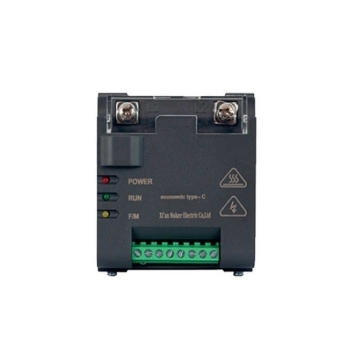
Mini Single-Phase Power Regulator, AC 220V
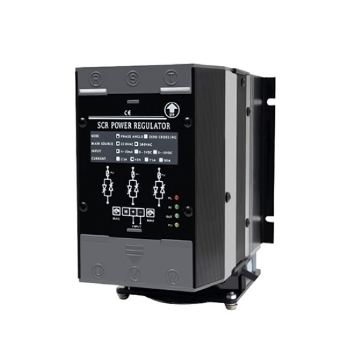


SCR Power Regulator, 1-Phase, 0-5V/0-10V/4-20mA


3-Wire 3 Phase SCR Power Controller, 380VAC


4-Wire 3 Phase SCR Power Controller, 380VAC


3-Wire 3 Phase Thyristor Power Regulator, 75-250A


4 Wires 3 Phase AC Power Regulator, 6kW to 24kW


Adjustable Power Regulator for Home/Industrial Use, AC 220V


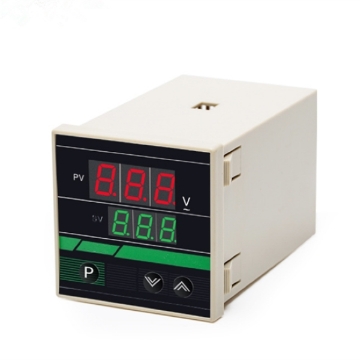

Digital SCR Voltage Regulator, 220VAC


AC Voltage Regulator Module, 1 Phase/2 Phase


Adjustable 4000W SCR Voltage Regulator, 110V/220V


Adjustable 5000W SCR Voltage Regulator, 110V/220V


Adjustable 10000W SCR Voltage Regulator, 110V/220V
Have you ever experienced this: on a hot summer night, the lights suddenly dim while the air conditioner is running? Or during a thunderstorm, your computer inexplicably restarts? Perhaps in some remote areas, you've noticed voltage fluctuations causing your refrigerator's compressor to make strange noises or your TV screen to flicker. These seemingly minor issues are actually signs of an unstable power supply. Over time, such voltage instability can significantly shorten the lifespan of your electrical appliances and may even pose a safety risk.
The power regulator is specifically designed to solve this problem. Its core function is simple yet crucial: When the input voltage is too high or too low, it automatically adjusts it to a stable 110V or 220V output, ensuring your appliances always operate within a safe voltage range. In essence, it acts like a silent guardian for your household electronics, freeing you from the worries of voltage fluctuations.
Applications of Power Regulator
Voltage instability isn't limited to older residential areas; it's also common in factories, shops, and outdoor settings. Different devices have different voltage requirements, and choosing the right type of regulator is key to effective protection. Below are some typical scenarios where a power regulator proves invaluable.
Household Use
Household appliances are highly sensitive to voltage fluctuations, especially those with compressors, such as air conditioners and refrigerators. Low voltage can easily damage these units. A single-phase voltage regulator is recommended, including relay-type and low-power servo-type models. They offer good value, moderate response speed, and are ideal for daily home use.
Commercial Equipment
For shops, offices, and medical facilities, unstable voltage can lead to data loss, equipment failure, or even medical incidents. In these settings, a high-precision servo-type or SCR regulator is the best choice. These devices provide high regulation accuracy, fast response, and wear-free operation (no contact wear), offering superior protection for sensitive electronic equipment.
Industrial and Agricultural Use
Factories, farms and cold storage facilities usually run high-power loads and rely heavily on three-phase power supplies. Voltage swings in these locations directly undermine production efficiency and operational safety. 3-phase voltage regulator is built for these demands. It boasts strong overload resistance, consistent voltage correction and robust environmental adaptability, supporting long-duration continuous operation.
Outdoor and Mobile Scenarios
In outdoor and mobile environments, power sources are diverse (e.g., generators, solar panels, battery banks) and voltage can fluctuate significantly. A portable voltage regulator or integrated voltage regulator module, being small and lightweight, can effectively stabilize the input voltage and protect onboard appliances and medical equipment.

What Input Voltage Range Does Power Regulator Need?
Voltage regulator’s input operating window must fully cover the lowest and highest voltage fluctuations measured at your installation site, with adequate safety margin reserved for unexpected voltage dips and surges.
For DC linear regulators: VIN(min) ≥ VOUT+Vdropout
The minimum input voltage must be higher than the output voltage by the dropout voltage; the input voltage should never exceed the rated maximum input VIN(max).
For AC power regulators including relay-type, servo-type and thyristor (SCR) models, confirm that the extreme low and high grid voltage on site falls within the regulator’s rated input range. Selecting a regulator with a matching input voltage band ensures consistent output stabilization and prevents unexpected shutdown or damage to your connected equipment.
How to Choose the Right Power Regulator?
Selecting a regulator isn't complicated. It mainly comes down to three factors: the total power of your devices, the severity of voltage fluctuations, and your requirement for power quality.
- Power Matching: The regulator's capacity (in VA) should exceed the total power (in Watts) of the connected devices. It's generally recommended to have a margin of 20-30% to avoid long-term full-load operation.
- Regulation Accuracy: For standard home appliances, an accuracy of within ±5% is usually sufficient. However, for medical equipment or high-end audio systems, a high-precision model with an accuracy of within ±3% is recommended.
- Response Speed: In situations with rapid voltage changes (e.g., factories with frequently starting motors), a faster-responding SCR or servo-type regulator is necessary.
In simple terms: For ordinary households with basic appliances like lights, fans, and refrigerators, a cost-effective relay-type regulator is usually sufficient; for precision equipment such as medical devices, laboratory instruments, or high-end audio systems, a servo or SCR type with faster response and higher accuracy is recommended; and for industrial applications involving heavy machinery, large motors, or 3-phase loads, you should opt for a three-phase, high-power regulator designed to handle significant voltage fluctuations and continuous operation.
(1).png)
Strong Power Supply, Smart Power Solutions.


